
CNC Workholding & Fixture Engineering
Workholding engineered around the component.
From standard workholding and quick-change systems to bespoke fixtures and automation-ready solutions, CaPa Tec helps manufacturers improve accessibility, repeatability, setup time and spindle utilisation.
Workholding Solutions
Holding the part is only the beginning.
Good workholding influences far more than clamping. Tool access, number of operations, loading time, repeatability, automation and ultimately cost per component can all be affected by the fixture strategy.
Bespoke Fixture Design
Custom workholding engineered around component geometry, datum strategy, cutting forces, accessibility and production requirements.
Standard & Modular Workholding
Selection and application of proven vices, chucks, clamping products and modular workholding systems.
Zero-Point & Quick Change
Reduce non-cutting time and simplify repeat setups using repeatable quick-change and zero-point strategies.
5-Axis Workholding
Low-profile and component-specific solutions designed to maximise tool access and support multi-face machining.
Automation Workholding
Repeatable workholding designed around robotic loading, part presence confirmation and unattended manufacturing.
Existing Process Improvement
Review and redevelopment of existing fixtures to improve access, setup time, reliability and manufacturing efficiency.
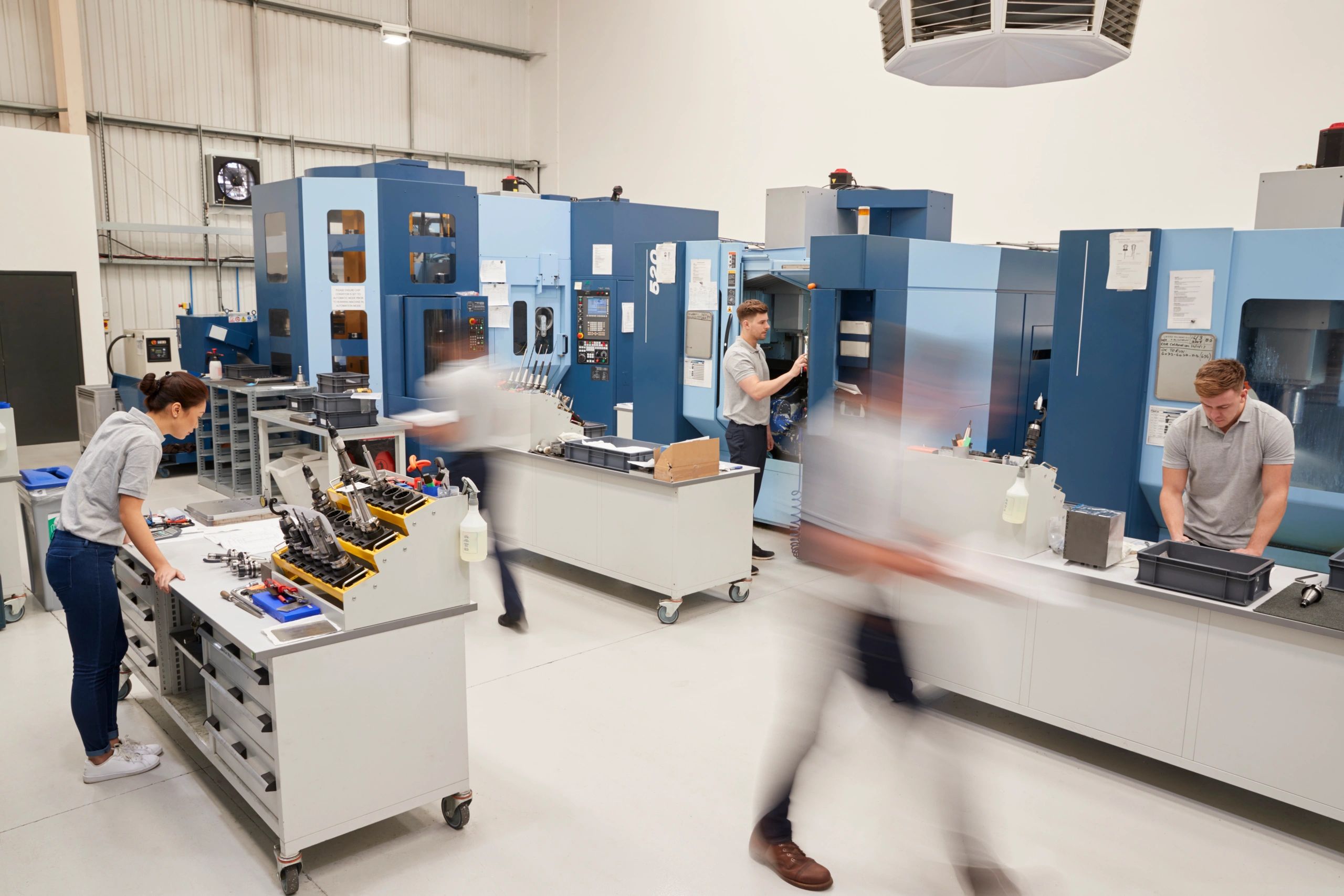
Process-Led Engineering
Design the workholding around how the part needs to be made.
Rather than treating the fixture as an isolated item, we consider the complete manufacturing process. This can identify opportunities to reduce operations, improve cutting-tool access, simplify loading and make future automation easier.
Our Approach
Component first. Fixture second.
Starting with the component and machining strategy allows the workholding to support the process rather than becoming a constraint that has to be worked around later.
Review
Assess the component, tolerances, material, machine tool and production requirement.
Develop
Define datum, clamping, access and loading requirements around the process.
Engineer
Select standard technology or develop bespoke fixture components where required.
Implement
Support installation, prove-out and optimisation of the finished solution.
Applications
From one-off components to automated production.
The right workholding strategy depends on volume, complexity, machine configuration and the wider manufacturing process.
Workholding Review
Send us the component. We'll look at the process.
If you're developing a new component or struggling with an existing setup, send us the available manufacturing information and we'll review the workholding requirement in the context of the complete machining process.
Is your workholding limiting the process?
Whether you're starting with a new component or improving an existing manufacturing process, CaPa Tec can help develop a workholding strategy around what you're actually trying to manufacture.